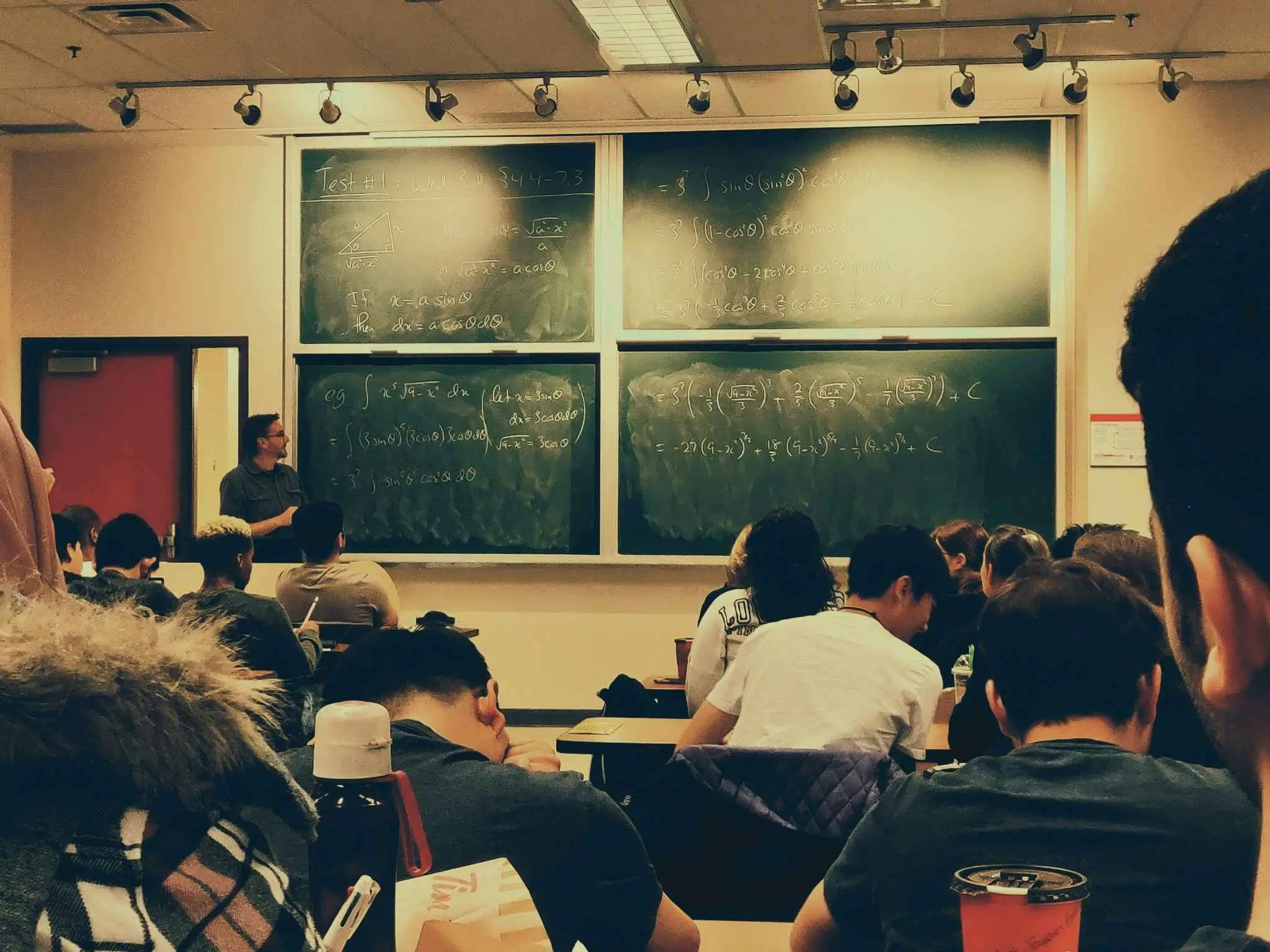

Education has changed significantly over the past decade, and student expectations have changed with it. Access to digital learning, changing workforce demands, and advances in educational technology have encouraged institutions to rethink how they support learners.
Students are no longer satisfied with a one-size-fits-all approach. Instead, they expect learning experiences that fit their goals, schedules, and career plans.
Global education trends continue to influence how schools, colleges, and universities develop programs that meet these changing expectations. Flexibility, accessibility, practical learning, and technology have become standard features rather than optional additions. Understanding these trends helps educators improve learning experiences while giving students the tools they need to succeed.
The Shift Toward Personalized and Flexible Learning Experiences
Modern students expect education to reflect their individual learning preferences, academic interests, and long-term career objectives. Personalized learning allows students to progress at a pace that matches their abilities instead of following a rigid timeline.
Educational institutions have responded by offering flexible course structures, self-paced modules, hybrid learning environments, and customizable degree pathways. These options make it easier for students to balance education with work, family responsibilities, and personal commitments without sacrificing academic quality.
A 2025 review found that most AI-driven personalization work now falls into three broad categories. These three categories are recommending content, providing tutoring and support, and generating feedback and assessment.
Not everyone agrees that “personalized” learning lives up to its promise, however. UNESCO has cautioned that much of what gets marketed as personalization is really just remediation guided by an algorithm’s idea of a student’s weaknesses. This kind of critique is a useful reminder that flexible, adaptive tools work best when they support student agency and exploration.
The Rise of Accelerated Online Learning
Online education has changed how students approach earning a degree. Many expect the flexibility to study from anywhere while balancing work and personal responsibilities. Accelerated programs build on this flexibility by allowing learners to complete their education in less time through condensed coursework.
Healthcare education reflects this shift well. According to Cleveland State University, the demand for nurses with a Bachelor of Science in Nursing (BSN) is increasing. It equips students with advanced clinical knowledge, leadership skills, and evidence-based practice for a variety of nursing careers.
To meet growing demand, many institutions now offer online accelerated BSN nursing programs. These programs provide a faster path into nursing for students with existing commitments.
“And surely that’s what flexibility needs to be about…[It] needs to enable students to…get to the workplace quicker,” Gareth Smith, a student support expert, told Times Higher Education.
Facing enrollment and funding pressure, a growing number of universities in the UK and US are experimenting with two- and three-year degrees. These degrees compress the same amount of contact time into a shorter calendar. There’s also the US-based “College-in-3” initiative, which is now working with dozens of universities.
Growing Demand for Technology-Driven Education
Technology is shaping how students access information, collaborate with classmates, and communicate with instructors. Today’s learners expect educational institutions to provide reliable digital platforms that support both classroom and remote learning.
A study traces how far this shift has come, from early computer-assisted drills in the 1980s to today’s AI-driven adaptive platforms. For instance, the California State University’s Fully Online initiative lets students take courses across any CSU campus. The same review points to virtual and augmented reality, mobile “microlearning,” and blockchain-based credentialing.
Virtual classrooms, cloud-based collaboration platforms, digital libraries, and interactive learning management systems have also become standard features in many educational settings. Students expect seamless access to course materials across multiple devices, making learning more convenient regardless of location.
The practical case for classroom technology centers on engagement and workforce readiness. Interactive and multimedia tools tend to increase student participation and critical thinking. They give students the digital literacy, collaboration, and problem-solving skills that employers now expect.
As educational technology continues to advance, institutions that invest in innovative digital learning environments are better positioned to meet evolving student expectations.
Focus on Career-Ready Skills and Practical Learning
Students increasingly view education as a direct investment in their future careers. While academic knowledge remains important, many learners place equal value on developing practical skills that employers actively seek.
Educational programs now include internships, project-based learning, simulations, case studies, and collaborative assignments that mirror workplace environments. These experiences allow students to apply theoretical concepts while building confidence in solving real-world problems.
A 2025 systematic review examined intervention programs for middle schoolers. It found that structured career counseling and exploration activities reliably improved students’ career decision-making and adaptability. The review notes that most existing programs still target high school and college students. This leaves a gap in systematic career support for younger learners.
At the other end of the pipeline, employers are backing this shift with real hiring incentives. Most are willing to offer higher starting salaries and faster hiring-pipeline movement to candidates who hold industry-recognized micro-credentials alongside their degrees.
Institutions that clearly demonstrate how their programs prepare graduates for successful careers often attract learners seeking measurable value from their education.
Greater Expectations for Support, Engagement, and Accessibility
Student success depends on more than quality instruction. Today’s learners expect educational institutions to provide comprehensive support and create inclusive environments that encourage engagement throughout their academic journey. Key expectations include:
- Academic support: Access to academic advising, tutoring services, career counseling, mental health resources, and technical support to help students address challenges before they affect academic performance.
- Meaningful engagement: Interactive discussions, live virtual classes, collaborative group projects, and regular instructor feedback that strengthen connections between students and educators while encouraging active participation.
- Teacher support: Research shows that students are more engaged when they feel supported by their instructors because it fulfills their needs for autonomy, competence, and a sense of belonging.
- Inclusive accessibility: Effective inclusion involves responding to individual student needs rather than treating every learner the same. Examples include telepresence robots and accessible pedagogy training, which help create learning environments where more students can participate and succeed.
As student expectations continue to evolve, institutions that combine strong support services, engaging learning experiences, and accessible educational practices are better positioned to improve both student satisfaction and academic success.
Key Statistics and Facts Shaping Student Expectations
| AI-powered personalization | AI personalization mainly focuses on content recommendations, tutoring and support, and automated feedback and assessment. |
| Accelerated degrees | Universities in the UK and US are introducing two- and three-year degree programs and initiatives like College-in-3. |
| Educational technology | Education has evolved from basic computer-assisted learning to AI-driven adaptive platforms, while institutions are also exploring VR, AR, microlearning, and blockchain credentials. |
| Career readiness | Structured career counseling improves career decision-making and adaptability, especially among middle school students. |
| Skills-based hiring | The majority of employers now use skills-based hiring, and many offer higher starting salaries to candidates with industry-recognized micro-credentials. |
| Student engagement | Research shows students are more engaged when teacher support fulfills their needs for autonomy, competence, and belonging. |
Global education trends continue to reshape what students expect from schools, colleges, and universities. Personalized learning, accelerated online programs, advanced technology, career-focused education, and comprehensive student support have become defining features of modern learning.
Educational institutions that adapt to these changing expectations are better equipped to prepare students for academic achievement and long-term career success. As technology advances and workforce needs continue to evolve, student expectations will likely keep shifting. It will encourage educators to develop learning experiences that remain flexible, practical, accessible, and focused on meaningful outcomes.
Frequently Asked Questions
How do global education trends influence international student mobility?
Global education trends have made it easier for students to consider studying abroad. Online learning, international partnerships between universities, and credit transfer agreements provide greater flexibility when choosing where and how to study. Students can also gain access to global perspectives and multicultural learning experiences without always having to relocate.
What role do employers play in shaping modern educational programs?
Employers increasingly collaborate with educational institutions to ensure graduates possess skills that match current workforce needs. Their input helps universities update curricula, introduce industry certifications, expand internship opportunities, and incorporate practical projects. This collaboration helps students graduate with knowledge and experience that align more closely with employer expectations.
Why are lifelong learning opportunities becoming more important?
Rapid technological advancements and changing job requirements mean professionals often need to update their knowledge throughout their careers. Many educational institutions now offer short courses and continuing education programs that help learners build new skills without committing to a full degree. This approach supports career growth and adaptability in a changing job market.